
Administrative decentralization: The Ministry of the Interior in due course
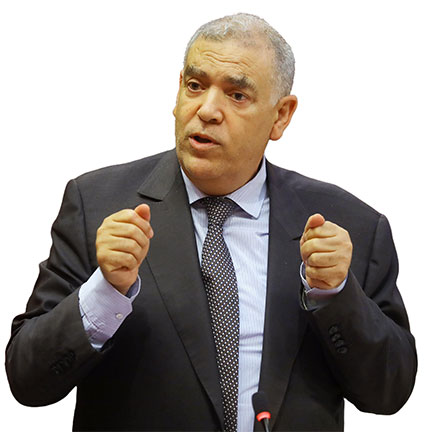
Abdelouafi Laftit is working diligently to implement the provisions of the National Charter for Administrative Devolution under the best conditions and in the shortest possible time ( Photo by Bziouat )
At a time when political parties are preparing their memoranda for the implementation of autonomy in the southern provinces, Abdelouafi Laftit has already completed the work of administrative devolution, one of the pillars of advanced regionalization.
Indeed, regarding administrative devolution, the Ministry of the Interior’s report shows that most of the set objectives have been achieved. The same is true for the fulfillment of the commitments made in this area. At least, that is what Abdelouafi Laftit stated in his response to a written question from the parliamentary group of the Popular Movement.
Moreover, the ministry’s master plan provides, during its period of application, for the transfer or delegation of a total of 107 decision-making powers from the central level to external services, including administrative decisions related to investment.
These competencies cover various areas, such as human resource management, the organization of the taxi sector, consumer protection, and the management of the affairs of communal lands and their assets. The same applies to the coordination and monitoring of the INDH (National Initiative for Human Development) programs, local finances, and cooperation between local governments.
According to him, the Ministry of the Interior was the first department to obtain approval from the Ministerial Commission for Administrative Devolution for its master plan as early as June 2019.
Following this approval, all necessary legal, organizational, and administrative measures were taken to transfer powers from the central level to the regions and provinces, in addition to mobilizing all the human and material resources required to support this process. The Ministry of the Interior also ensured support for the services of the wilayas and provinces to guarantee the effective and efficient exercise of their new prerogatives, particularly through the development of training programs for the wilayas and provinces.
The National Charter of Administrative Devolution established concrete mechanisms to ensure effective governance of this system, with a view to monitoring, coordination, support, and continuous evaluation. In this same vein, it is worth noting the creation of a General Secretariat for Regional Affairs within each province. The supervising ministry implemented a series of measures and mechanisms to support the governors in the effective establishment of these secretariats and the strengthening of their services with appropriate skills and human resources.
Mohamed CHAOUI