Agri-Food Industry: The Challenges of Decarbonization
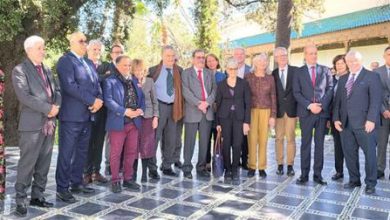
On June 30, the National Federation of the Agri-Food Industry (Fenagri) held the inaugural Morocco Food Industry Decarbonation Forum in Rabat.
During the event, the Federation unveiled the findings of a study commissioned from consulting firm BearingPoint. The study served as the basis for the sector’s 2027–2040 Decarbonization Roadmap and demonstrated that the challenges of decarbonization extend well beyond compliance with the European carbon tax alone.
Turning the Climate Transition into a Competitive Advantage
According to the study’s authors, decarbonization will enable Morocco’s agri-food industry to address five major challenges while transforming the climate transition into a lasting competitive advantage. This requires anticipating the implementation of the European Carbon Border Adjustment Mechanism (CBAM)-known in French as the Mécanisme d’ajustement carbone aux frontières (MACF)-which is scheduled to take effect from 2029.
The objective is to safeguard Moroccan exports to the European Union, which amounted to MAD 23.6 billion in 2025, avoid additional carbon-related costs and strengthen the sector’s presence in European markets. This involves improving the industry’s ability to adapt to climate change and geopolitical disruptions through decarbonization initiatives and greater energy efficiency. By reducing energy costs and anticipating future increases linked to carbon pricing, the industry can also turn the green transition into a sustainable competitive advantage.
In addition, companies embarking on decarbonization strategies can gain easier access to climate finance, at a time when funding programs and financial support mechanisms are becoming increasingly available. Decarbonization also enhances corporate reputation. By adopting a low-carbon strategy, agri-food companies strengthen the confidence of customers, business partners and investors alike.
«These challenges are fully aligned with Morocco’s international commitments and confirm the central role that the agri-food industry must play in achieving the country’s national decarbonization objectives» the study emphasizes. Under its Nationally Determined Contribution (NDC) 3.0, Morocco has committed to reducing its greenhouse gas (GHG) emissions by 53% by 2035.In 2024, the Kingdom’s total greenhouse gas emissions were estimated at 28 million tonnes of COze equivalent (28 MtCOze), of which 4 MtCOze originated from the agri-food sector-representing approximately one-seventh of the national total. Even before the formal implementation of the roadmap, several companies in the agri-food industry have already launched decarbonization initiatives. Ix companies-including some that do not necessarily export to the European Union—were recognized during the Forum for their achievements.
Aziz DIOUF