
Alternative sentencing: Training or prison
Since August 18, Law No. 43-22 on alternative sentencing has been in force following the publication of its implementing decree No. 2.25.386 in Official Gazette No. 7431.
Skilled training programs will be offered as alternative sentences to convicted persons based on their profile
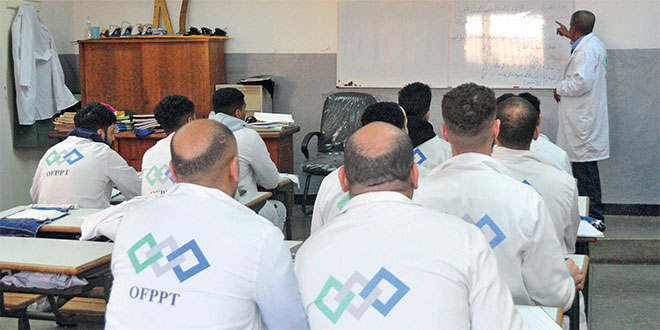
The Agadir Court of First Instance led the way by handing down the first alternative sentence in accordance with the new legislation. In the wake of this, the Ministry of Economic Integration, Small Business, Employment, and Skills is proposing to offer inmates skills training as an alternative to prison sentences, which may involve the restriction of certain rights, the imposition of certain supervision measures, therapy, or training.
This alternative, which will depend on the final decision of the magistrate based on the seriousness of the offense, will enable prisoners to acquire new professional skills or improve their abilities for better chances of reintegration into the labor market once released. In short, « if the judgment handed down provides for the imprisonment of the person, they will be able to benefit from training in prison. On the other hand, if the sentence consists solely of an alternative penalty such as vocational training, the prisoner will not be incarcerated and will receive training in an outside center alongside other trainees».
For the supervisory ministry, vocational training is the best way to improve prisoners’ employability after they have served their sentences.
Younes Sekkouri’s department has undertaken to provide the General Delegation for Prison Administration and Reintegration (DGAPR) with a list of skills training programs open to prisoners each season, depending on the type of center or prison selected.
The open list of skills training courses should be generalized in consultation with all training sectors with the aim of making it a unified reference framework for the implementation of legislative provisions on alternative sentences.
The skills training program for prisoners falls within the scope of the provisions of Article 647-21 of Law No. 43-22, which provides for this type of consultation between the prison administration, public administrations, public institutions, and institutions that may be involved in the enforcement of alternative sentences.
It is the responsibility of the DGAPR to prepare periodic reports on the progress, the results, the difficulties in executing alternative sentencing, and the solutions intended to remedy it.
Interested persons will be able to follow training courses lasting a maximum of 10 months, at the end of which they will be issued with a certificate certifying the new skills that they will be able to use on the job market.
Hassan El Arif
L’article Alternative sentencing: Training or prison est apparu en premier sur L'Economiste.