Amnesty/Illegal: Constructions The big mess
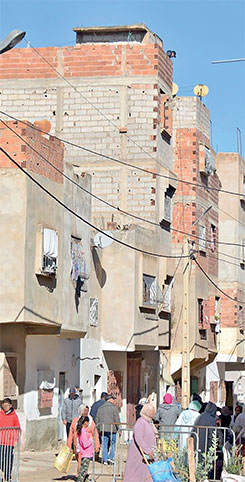
The program to regularize illegal construction, the second edition of which expired in 2025, ended in failure. Barely 29,250 applications for regularization were submitted via the Rokhas (licensing) electronic platform. This figure is ten times higher than the results of the first regularization campaign, which resulted in 2,898 regularization applications and 1,478 favorable opinions in accordance with Decree No. 2.18.475 of June 12, 2019.
12,165 regularization requests have already received favorable opinions, representing 42% of the files submitted within the deadline. The total investment is estimated by the supervisory authority at MAD 38 billion (USD 4.14 billion).
6,288 applications have received an unfavorable opinion due to the seriousness of the violations. 6,404 applications have not yet been reviewed because they require modified plans. These are individuals who have received an unfavorable opinion, accompanied by comments. The construction plan must therefore be modified before being submitted by the architect for review. In the event of a final favorable decision, the person is required to pay for “services rendered” to the urban agency and to pay municipal taxes. The person then receives the regularization permit, which serves as a residence permit. A 4,385 other cases are currently being investigated by the relevant departments. These are all cases that were obviously filed before the expiry of the regularization period on May 11.
The figures relating to the latest compliance operation fall well short of the potential for illegal construction, based on the number of permits issued each year. For the 2021-2022 period alone, real estate production amounted to 1,308,766 units, including 501,223 apartments at 250,000 dirhams (USD 27,244). Four out of ten homes are self-build projects. Thus, during the same decade, 540,308 homes were built using the self-build formula in Moroccan houses. This gives an idea of the volume of possible violations of urban planning rules. Among the irregularities identified by the Ministry of Housing are unauthorized constructions and those built after obtaining a building permit but without complying with the relevant documents. Some violations can be regularized under certain conditions, often by modifying the plans. However, more serious violations cannot be regularized. These include housing developments, housing groups, and buildings constructed in areas not suitable for construction, such as non aedificandi (no-build) zones, flood zones, etc. Easements (Horm, National Railways Office (ONCF), motorways, high or medium voltage power lines, etc.) cannot be regularized either. Cases of encroachment on third parties or on public or private state property are also excluded.
Hassan EL ARIF