
Anti-doping: System set for 2026
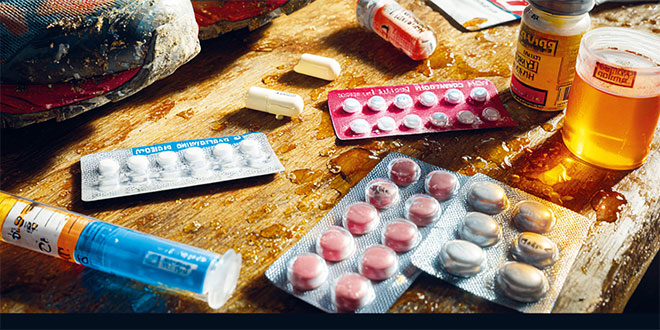
The Ministry of National Education, Preschool, and Sports has just published a decision updating the list of pills and devices prohibited for athletes in all disciplines.
Known in the sporting world as “doping,” these are pharmaceutical products and pills consumed by athletes to improve their athletic performance. Their use is banned by sports authorities because they reduce the level playing field between athletes. A doped athlete performs several times better than a so-called natural athlete.
The ministry’s decision was published in the Official Gazette in Arabic No. 7468 of December 25, 2025. It came into force on January 01, 2026.
The decision by the department headed by Mohamed Saad Berrada emphasizes that the use of all pharmaceutical substances that are not currently approved for therapeutic use in humans by the competent government health authority is permanently prohibited. This includes, for example, drugs that are still in the preclinical or clinical development phase, those whose use has been discontinued, drugs that have not progressed beyond the design stage, and substances intended exclusively for veterinary use.
This category includes anabolic substances such as testosterone and boldenone, as well as peptide hormones, growth hormones, and related substances. It also includes drugs that increase pulmonary ventilation and fat burners such as clenbuterol, as well as selective androgen receptor modulators.
Specifically, this category includes several different substances, including, but not limited to: DNP, BPC-157, 2,4-dinitrophenol, ryanodine-calstabin receptor complex stabilizers, and troponin activators.
The use of cocaine and 3,4-methylenedioxy-N-methylamphetamine, otherwise known as MDMA or Ecstasy, is prohibited during the competition period. This also includes the use of cocaine, amphetamine, fenethylline, and other substances The use of drugs such as heroin, fentanyl and its derivatives, morphine, etc. is also prohibited. The consumption of caffeine and nicotine is not prohibited.
Akram OUBACHIR