Building and public works: Positive economic indicators
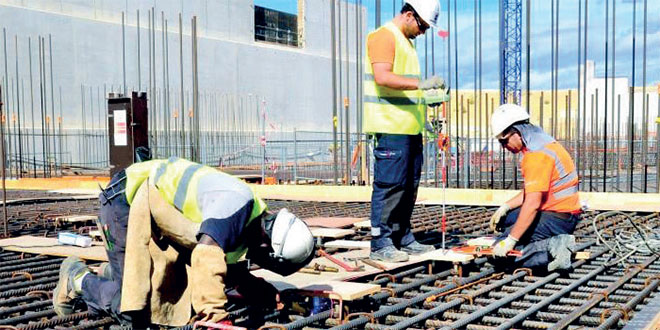
With the Moroccan economy showing resilience at the end of the year, the building and public works sector stands out as a fundamental pillar of domestic growth. Driven by strong demand for infrastructure, housing, and public facilities, it is also supported by a sharp upturn in real estate financing. But beyond these economic indicators, a more profound structural transformation is taking place in the cement industry. This is an ambitious energy transition, aligned with national decarbonization targets.
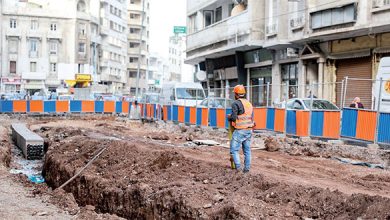
At the end of November 2025, cement sales, the main barometer of construction activity, were up 10.6%, compared with 8.9% a year earlier, according to the December 2025 economic report from the Directorate of Studies and Financial Forecasts (DEPF). This rebound is due to multifaceted demand: +26.6% for ready-mix concrete, +16.6% for precast concrete, +10.1% in infrastructure, and even in distribution (+4.1%) and construction (+2%). This upturn in activity is part of a broader context of renewed public investment. At the same time, financing for real estate transactions is keeping pace: real estate loans grew by +3.2% over the first ten months of 2025, exceeding MAD 319.5 billion. As for outstanding home loans, they consolidated by 3.3% at the end of October 2025, compared with +1.6% a year earlier. The same is true for outstanding real estate development loans, which increased by 4.5% over the same period. The sector is also a major employer: 90,000 jobs were created in construction in the third quarter of 2025, making it the second largest provider of paid employment behind services, according to Bank Al-Maghrib’s monthly economic review (BAM-November 2025). While the construction industry is doing well, its driving force, the cement industry, is undergoing a major ecological transformation, according to the Professional Association of Cement Manufacturers (APC). A pioneer in decarbonization, the sector laid the groundwork for an ambitious energy transition in 2005 with the construction of the world’s first private wind farm dedicated to a cement plant in Morocco.
Today, this commitment is yielding tangible results: 88% of the electricity consumed by cement plants comes from renewable sources, 11 sites are ISO 50001 certified (energy management) in 2024, compared to just one in 2017, and all production sites are ISO 14001 certified (environmental management). This green trajectory does not compromise competitiveness. By massively integrating renewable energies and optimizing energy performance, Moroccan cement manufacturers are reducing their long-term costs while meeting growing climate requirements, both nationally and internationally.
Fatim-Zahra TOHRY