End of the drought cycle?
Before MPs, Nizar Baraka officially confirmed what citizens had been saying upon witnessing the significant rainfall of recent weeks. Indeed, according to the Minister of Equipment and Water, Morocco has finally emerged from the seven-year drought cycle and entered a period of normalcy.
According to Nizar Baraka, these water contributions allow the country to gain, on average, one year’s supply of drinking water
The reason for this is that the country recorded 108 mm of rainfall nationwide between September 01, 2025, and January 08, 2026. This represents a substantial surplus of 94.4% compared to the same period of the previous hydrological year. Similarly, the country experienced significant snowfall, with the maximum snow cover during this period reaching 55,495 square kilometers, representing the largest snow-covered area since the 2019-2020 season.
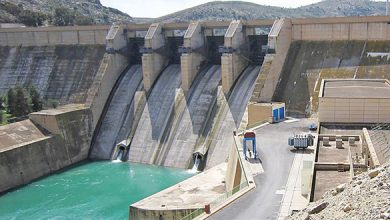
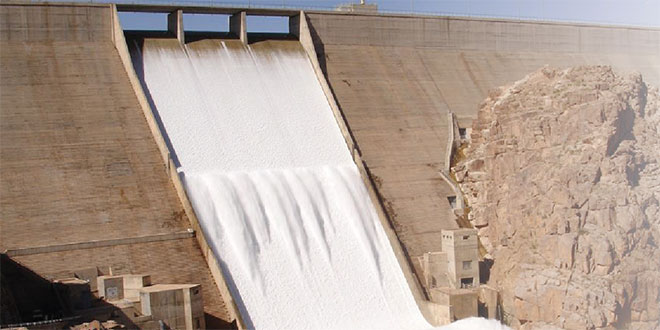
Water inflows recorded at dams have also been significant. The reservoir filling rate has improved considerably, rising from 31.1% on December 12 to 45.26% on January 08. This corresponds to a storage volume of approximately 7.58 billion cubic meters. This level had not been reached since July 17, 2021, when the filling rate stood at 28.38% on the same date the previous year, he stated. The impacts of the recent rainfall are considerable. Indeed, this water supply will ensure the sustainability of drinking water supplies and improve water security in the short and medium term. The majority of water systems will therefore benefit from a supply guarantee of around two years and a minimum of one year of drinking water for the most vulnerable water systems. Groundwater: Furthermore, the recent rains have had a direct impact on agricultural production, both in rainfed areas dependent on rainfall and in irrigated areas, by contributing to a reduction in crop irrigation needs and a decrease in pressure on groundwater and surface water held by dams. The restoration of flow in numerous wadis and an increase in their flowrates have been observed, in addition to the replenishment of many lakes and dayas, which constitute essential habitats for numerous biological species. Similarly, these recent rains have also contributed to improving the groundwater situation in the river basins. This is due to the rise in groundwater levels in wells and the increase in discharge from certain springs. Among the positive effects of this rainfall and snowfall is the possibility of revising and allocating additional water quotas for irrigation. And this, in line with the water supply priorities and the water situation of each river basin.
Mohamed CHAOUI