Major projects for 2026
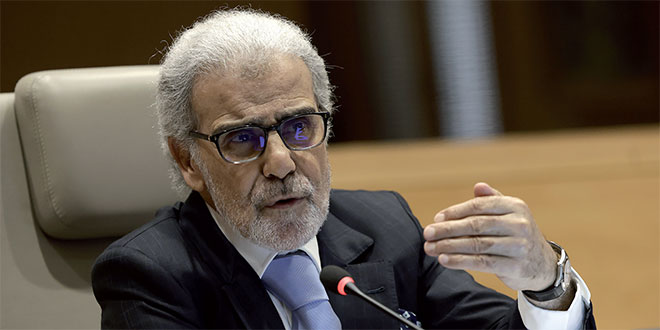
The new year looks promising for Morocco. It is considered a pivotal period, during which the question will be whether Morocco can achieve sustainable growth. Several major projects and key dates are expected this year. On a macroeconomic level, 2025 confirmed the resilience of the national economy. In an uncertain international environment, marked by the European slowdown and geopolitical tensions, Morocco posted growth of between 3.5% and 4%, supported by a partial recovery in agriculture and the strong performance of non-agricultural activities. Inflation, which had peaked in previous years and was a real source of concern, is largely contained, returning to acceptable levels at the end of the year. This has enabled central bank (Bank Al-Maghrib, BAM) to maintain an accommodative monetary policy, prioritizing stability and support for investment.
■ Finance: Continuing the modernization of the Organic Law on Finance
With elections approaching, many feared a loosening of fiscal policy. Abdellatif Jouahri, Governor of Bank Al-Maghrib, was very clear following the latest BAM Board meetings: Morocco remains committed to its targets of a deficit below 3.5% of GDP and public debt below 65%. Thanks to the $3.5 billion flexible credit line granted by the IMF, the Kingdom can mobilize funds at any time, without additional conditions.
One of the main reforms expected for 2026 is the government’s continued modernization of the Organic Law on Finance. This project is being led by Fouzi Lekjaâ, Minister Delegate to the Minister of Economy and Finance, responsible for the Budget. In addition, budgetary transparency will be strengthened and the reform of public enterprises and the justice system will be accelerated to improve institutional efficiency.
■ Unemployment: The Achilles’ heel
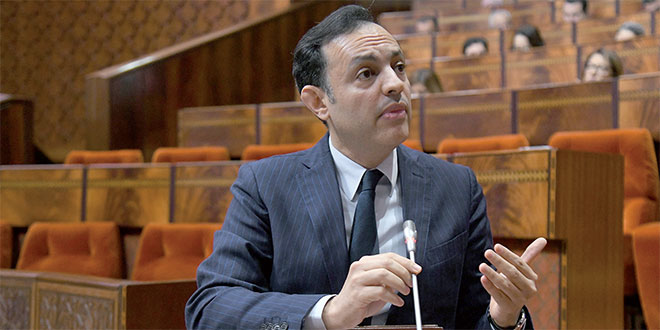
In the social sphere, one of the main projects for 2026 concerns accelerating the creation of new jobs. Despite budgetary efforts and the rise of social protection policies, unemployment remains high, particularly among young people and women. Growth is not creating enough quality jobs. In addition to the employment roadmap, which is set to continue in 2026, Youness Sekkouri, Minister of Economic Inclusion, Small Business, Employment, and Skills, is also counting on the impact of other levers, notably the new vocational training plan. “ It will offer diplomas in around 200 trades and should benefit young people, including 17,000 in rural areas ”, the minister recently told Parliament.
■ Infrastructure: New projects to be delivered
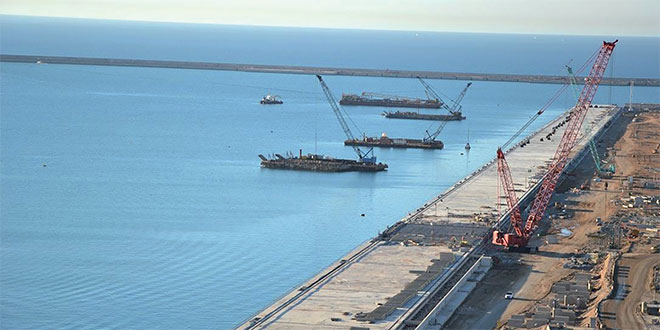 The outlook for 2026 is generally positive. Projections point to stronger growth, driven in particular by a better agricultural season, the rise of export sectors, and above all the continuation of major infrastructure projects. 2026 should see the rollout of major investments in industrial zones around port hubs, targeting the energy, automotive, aeronautics, and green technology sectors. The second half of this new year will be marked by the entry into service of the Nador West Med deep-water port, a major project for trade, particularly in energy, and the export of new goods, especially green hydrogen. Moreover, 2026 marks a key milestone for the pilot production of green hydrogen (Power-to-Hydrogen, PtX), with the commissioning of the first industrial unit in the Guelmim Oued Noun region. This project, led by MASEN (Moroccan Agency for Sustainable Energy), paves the way for the establishment of an exportable energy sector, positioning the Kingdom as a regional hub for clean technologies. The public infrastructure sector will also see the continuation of the momentum to complete or open new university hospitals currently under construction.
■ Government: Final lap for the current majority
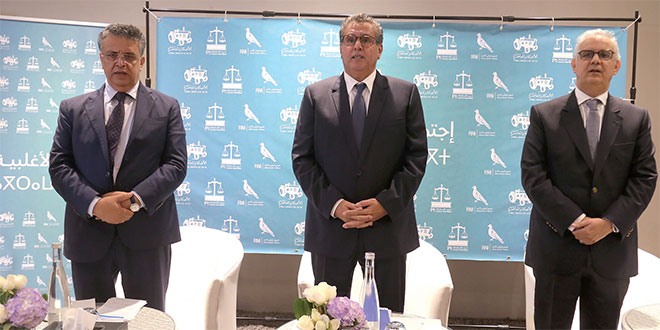
2026 2026 is also an election year. Legislative elections are scheduled in a few months. In accordance with the Royal Guidelines, Interior Minister Abdelouafi Laftit succeeded in getting the new electoral laws passed before the end of 2025. The same applies to the renewal of the electoral rolls. Now it is up to the political parties to play the game by preparing differently for the upcoming elections, in particular by renewing the profiles of their candidates. This is especially true since the new system provides incentives to encourage greater involvement of young people in politics. For the current majority, this will be their last lap. Each of the majority parties is already starting to pull the blanket over to its side. Cracks have begun to appear in the current coalition in recent months. In any case, Prime Minister Aziz Akhannouch, will have to defend his government’s record. During his recent tours of the regions, his party made no secret of its ambition to seek a new term at the head of the Government. The other parties, particularly those in the current majority, are also positioning themselves in the race.
■ Family Code: A highly anticipated text
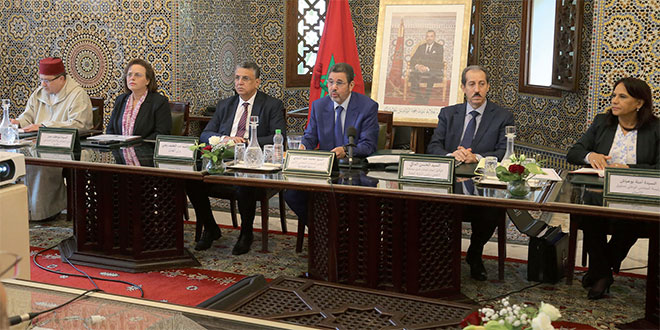
This is one of the most eagerly awaited topics for the new year. After extensive consultations with various sectors of society, a first draft was presented to His Majesty the King, Commander of the Faithful. The Sovereign had set the parameters for this reform from the outset, which was also submitted to the Higher Council of Ulemas (religious scholars) for review. The piece of legislation is currently undergoing final arbitration and its details are expected to be announced later this year.
The reform will address a number of controversial issues, including inheritance, divorce, and marriage, particularly the marriage of underage girls, which is a subject of concern. When questioned on the subject by members of Parliament, Justice Minister Abdellatif Ouahbi said that this “issue does not depend solely on the law, but also on a deeply rooted culture and social attitudes.”
Mohamed Ali MRABI