OECD Warning: Morocco may not ignore the storm
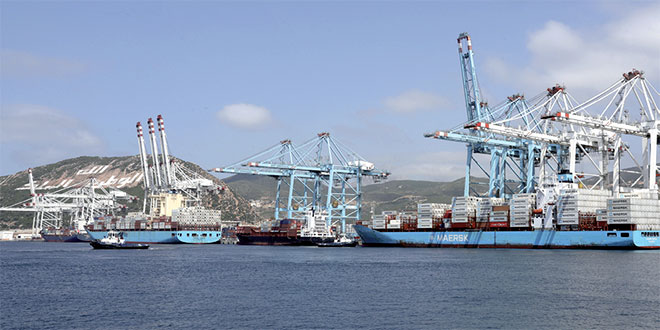
The OECD’s September 2025 report, « Finding the Right Balance in Uncertain Times» , paints a global economic picture marked by unexpected resilience in the first half of the year, followed by an anticipated slowdown in 2026. The Moroccan economy, deeply integrated into global trade chains and heavily dependent on key partners such as the European Union and the United States, will inevitably be impacted by the major trends and risks identified by the organization.
■ Global slowdown and “anticipation effects”: The OECD report predicts a sharp slowdown in global growth, falling from 3.3% in 2024 to 2.9% in 2026. This decline is attributed to the dissipation of “anticipation effects” linked to tariff increases and the negative impact of these same customs duties on investment and trade. For a country like Morocco, whose exports (automotive, aeronautics, textiles, phosphates, etc.) and foreign direct investment are vital, this global slowdown is practically “bad news.” Weaker demand from Europe, its main partner, could slow the growth of Moroccan exports.
■ Trump Tariffs: One of the report’s central points is the escalation of US tariffs. The effective tariff rate on imports into the United States reached 19.5% in August 2025, a record high since 1933. Although Morocco benefits from a free trade agreement with the United States, this overall protectionist context is worrying. On the one hand, the FTA could become a strategic asset, offering Morocco privileged access to the US market. Moroccan exporters could gain market share against competitors penalized by the new tariffs. On the other hand, global supply chains are interconnected. If the costs of imported inputs (e.g., auto parts from China) increase for Moroccan factories due to US tariffs, their competitiveness could suffer.
■ Stubborn Inflation and Monetary Policy: The report notes that disinflation has halted in many economies, notably due to the persistence of rising food prices. The OECD predicts that central banks will need to remain vigilant but may ease monetary policy where underlying inflation is under control. Morocco is particularly vulnerable to food and energy shocks. Rising global inflation, particularly for basic commodities, will directly impact the purchasing power of Moroccan households and the trade deficit. The report emphasizes the importance of central bank independence, a point that strengthens the credibility of the central bank (Bank Al-Maghrib) on the international stage.
Fatim-Zahra TOHRY