Payment methods: 2024, the year of the digital transformation
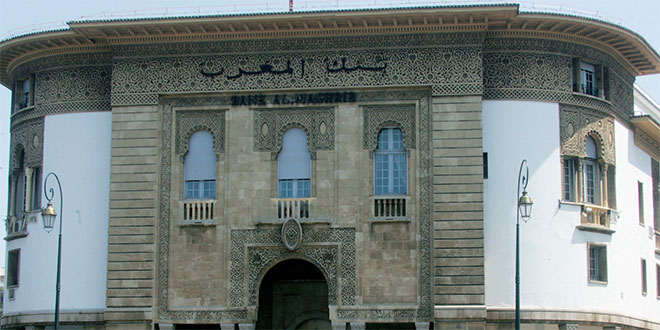
Long considered one of the last bastions of cash payments, Morocco began a discreet but fundamental shift in 2024. The central bank’s (Bank Al-Maghrib) annual report on financial market infrastructure and payment methods makes this clear: payment habits are changing, and digitalization is no longer an option, it is becoming the standard.
While cash remains dominant, its position is no longer unquestionable. And above all, for the first time, digital alternatives are gaining ground not only through technological offerings, but also through usage.
Acceleration of electronic payments
The first strong signal comes from cash. After a decade of sustained growth, currency in circulation is slowing: the amount in circulation is still increasing, but at a rate of 8%, well below the 11% and 10% recorded in the two preceding years. This deceleration is mainly due to the exceptional tax amnesty, which brought a significant portion of the funds previously held in cash back into the banking system. Consequently, an unprecedented influx of banknotes was observed at counters, particularly in December, marking a symbolic event for a country where 200-dirham notes still represented 75% of the currency in circulation by value. Thus, although the demand for cash remains higher than pre-pandemic levels, the growth in currency in circulation remains positive, but at a slower pace than in previous years.
National Payments Strategy
But 2024 didn’t just mark a shift in user behavior; it also laid the groundwork for a future structural shock. In partnership with the banking ecosystem, Bank Al-Maghrib has moved forward on the National Payments Strategy, one of whose pillars is the massive increase in the acceptance of electronic payments, accompanied by an overhaul of sector governance and the regulation of interchange fees, a key driver of the profitability of digital payments for merchants.
Morocco Fintech: Center, a new hub for digital finance
To accelerate the digitalization of the financial sector and enhance access to services, Bank Al-Maghrib is intensifying its efforts to foster a national digital finance industry. With the support of public and private stakeholders, the Bank has launched Morocco Fintech Center, a strategic hub designed to structure the FinTech ecosystem. It aims to bring together startups, financial institutions, investors, and regulators to stimulate innovation and support digital inclusion in Morocco.
Security, a central issue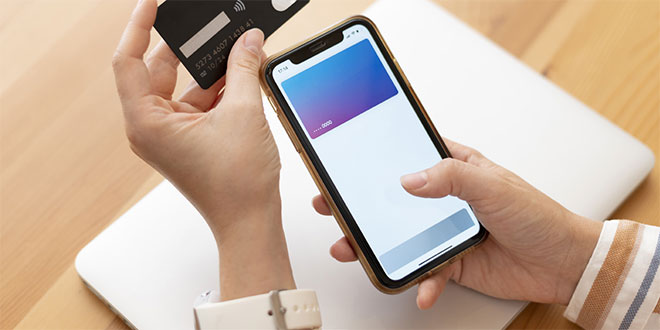
nstant transfers, launched only in June 2023, have grown significantly. In 2024, 16.3 million transactions were processed through the PCVI platform, totaling 61.7 billion dirhams. (USD 6.3 billion) , nearly double the total processed in 2023. On some peak days, more than 2.6 million transactions were recorded, driven in particular by social welfare programs. Efficiency was not sacrificed, however; the average processing time for the largest transaction was 4 minutes and 15 seconds. Another telling trend: mobile payments are gradually emerging from their hesitant adoption phase. Interoperable transactions processed by the switch jumped to 171,000 approved operations in 2024, totaling nearly 70 million Dirhams (USD 7.2 million), confirming that the mobile phone is becoming a fully-fledged payment instrument, beyond peer-to-peer transfers. Behind these developments, security remains a central issue. Bank Al-Maghrib has strengthened its requirements, particularly in response to the surge in fraud attempts involving certain payment methods. As a result, operators have had to deploy real-time detection and alert systems. For the central bank, the priority is clear: maintaining trust without stifling innovation.
Fedoua Tounassi