
Rice wants a trade shield
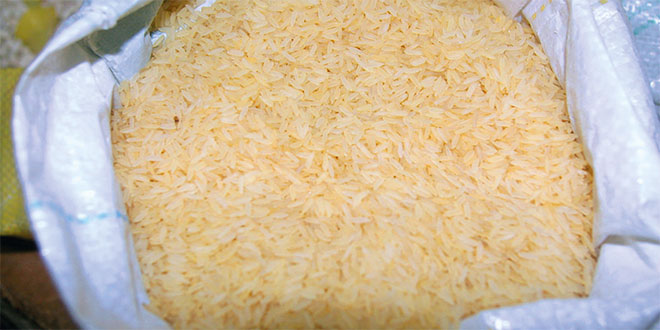
The recent rains in the Gharb region have been a good omen for the rice industry. They have led to record water levels in the Al Wahda and Moulay Idriss I dams, allowing producers to look forward to a promising agricultural season. Indeed, producers hope to capitalize on the expanded irrigable land to increase cultivated areas to 10,000 hectares, compared to an average of 6,500 hectares. This will generate an average of five jobs per hectare. However, they fear competition from imports from Egypt and Asia, which could disrupt sales of the increased production.
This is especially true since they must sign agreements with farmers organized into cooperatives, including the provision of seeds at cost price, an advance for the purchase of fertilizers, treatment products, and the costs of plowing, weeding, and harvesting. Also noteworthy is an exceptional loan of 3,000 dirhams (USD 327) per person, granted in February by certain industrialists to farmers affected by the floods. « In fact, the industrialists are financing all the expenses related to rice cultivation, which amount to 16,000 dirhams per hectare ,» emphasizes one operator.
But to consider these commitments, manufacturers need assurances that they can sell their production without any problems. This is why they have just submitted a request to the Ministry of Foreign Trade for the implementation of a protection clause against massive imports that would harm domestic production. It is worth noting that between 2020 and 2023, Egypt’s imports went from zero tons to 24,700 tons in 2024 and to 26,500 tons by the end of the first ten months of 2025!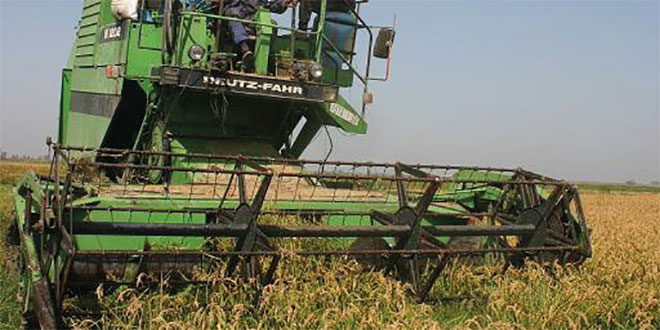
When asked by L’Economiste about the possibility of resorting to trade defense tools, the Ministry of Foreign Trade replied that “ in accordance with WTO rules, safeguard measures do not apply by geographical origin, but by product category.
If a massive and sudden increase in imports of a specific product is observed, whether from Egypt, Asia, or elsewhere, and it causes significant damage to domestic production, the ministry has all the legal tools at its disposal to activate safeguard clauses.».
He added: « We have already proven our responsiveness on several strategic issues and we will not hesitate to initiate new procedures if the indicators of damage to national production justify it .»
The National Interprofessional Rice Federation (FNIR) has just filed a formal request to implement a safeguard clause against certain imports. The procedure should therefore be initiated quickly. Furthermore, the data provided by the manufacturers is currently being reviewed by the relevant departments.
Hassan EL ARIF