The Mediterranean faces a silent fishing crisis
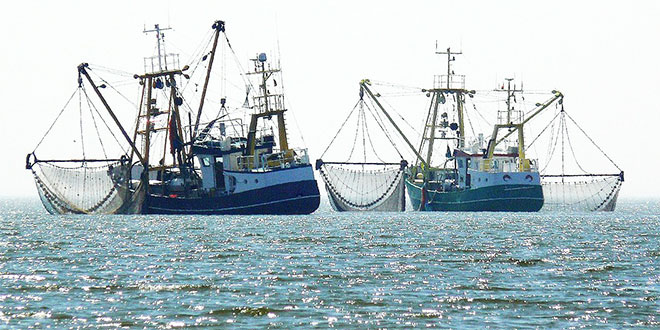
The Moroccan Mediterranean sea is facing a silent but imminent crisis, the scale of which threatens both biodiversity and the economy of coastal communities.
Fish stocks in the Moroccan Mediterranean sea are experiencing an alarming decline, directly affecting small-scale fishing. This situation highlights the urgent need to adopt sustainable practices and strengthen the monitoring of marine resources.
A scientific study, presented in the city of Al Hoceima at a conference organized by the Azir Association for Environmental Protection, reveals an alarming decline in fish stocks and inertia in the face of unsustainable fishing practices which, if they continue, could cause irreversible damage.
Led by researcher Zakaria Qobaa, a specialist in the environment and sustainable development, this study is based on meticulous field research, combining official data, detailed statistical analyses of fish production, and in-depth testimonies from fishing professionals in several Mediterranean ports. The findings are clear: since 2017, catch volumes have fallen by more than 30%, a trend that Mr. Qobaa attributes to the chronic overexploitation of marine resources, failure to observe biological rest periods for pelagic fish, and to the growing impact of climate change on the marine ecosystem.
The most iconic species in artisanal fishing—sardines, octopus, swordfish—are endangered. Traditional fishing grounds, once abundant and vital to local fishermen, are shrinking, forcing them to increase their efforts using sustainable techniques that struggle to compensate for declining catches. This severe drop contraction in resources reflects a profound ecological and economic imbalance that threatens the livelihoods of thousands of coastal families.
Beyond the figures, the study warns of the degradation of sensitive marine ecosystems and the spread of invasive species, which risk irreversibly altering the biological balance of the Mediterranean region. The researchers emphasize that the only alternative to avoid complete collapse is to strengthen maritime surveillance, strictly enforce existing legislation, and promote a sustainable fishing model that respects biological cycles and biodiversity.
According to Zakaria Qobaa, the work covers the entire Moroccan Mediterranean coastline, from Saïdia to Tangiers, and is based on a detailed analysis of documents, laws, and international agreements ratified by Morocco, as well as the functioning of the institutions in charge of the fisheries sector. The figures are striking: landings fell by more than 35% between 2017 and 2023, sending a warning signal to authorities, scientists, and economic stakeholders. The urgent need for action is now indisputable.
Radia LAHLOU