Three years of water security
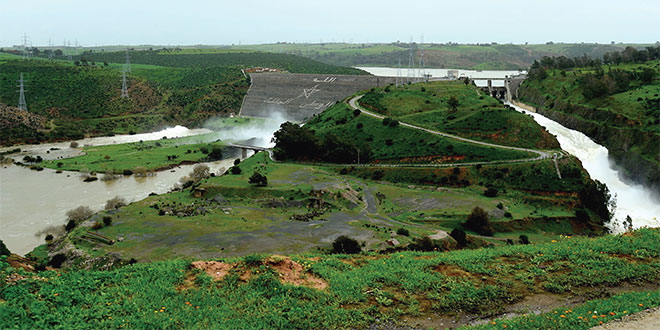
Reserves covering three years of drinking water supply are transforming the strategic landscape of the Kingdom. Regional disparities between full dams in the North and critical reserves in the South call for a collaborative approach to resource management.
The rains this season strengthen water security and support agriculture
Indeed, Morocco is experiencing a major water transition. According to official data (March 9, 2026) from the Maadialna portal managed by the Ministry of Equipment and Water, available water resources now reach 12.25 billion cubic meters, compared to 4.82 billion at the same time in 2025, representing a spectacular increase of 154%.
A strategic indicator that marks the end of a cycle
This rebound makes it possible, for the first time in several years, to secure the Kingdom’s drinking water needs for a period that could extend up to three consecutive years, a strategic indicator that marks the end of a cycle of intense water stress.
This overall dam filling level, reaching 70.6% on March 9, 2026, compared to 28.6% a year earlier, is not only a climate victory: it represents unprecedented economic flexibility for the country. The abundant rainfall this season has replenished strategic reserves, eased pressure on overexploited groundwater, and provided medium-term visibility for sectors most dependent on water resources, primarily agriculture, industry, and tourism.
However, dam mapping reveals a two-speed Morocco. In the north, the Sebou (82.9%) and Loukkos (92.3%) basins have high fill rates, with iconic structures such as Al Wahda (85%), Idriss 1 (86%), and Dar Khroufa, Charif El Idrissi, Ibn Battouta, and Nakhla reaching 100% of their capacity. The Bouregreg basin , strategic for supplying Rabat and Casablanca, is not far behind with 92.7% filling, driven by the Sidi Mohamed Ben Abdellah dam at 95%. These surplus regions now have the capacity to transfer water to deficit areas, a crucial lever for territorial equity.
Conversely, southern Morocco remains under structural water stress. The Draa-Oued Noun basin is only 35.6% full, with the Mansour Eddahbi dam at just 43%, while the Souss-Massa region, the heart of export agriculture, boasts a rate of 54.8%, masking contrasting situations between nearly full dams like Moulay Abdallah (98%) and critical structures like Youssef Ben Tachfine (49%). These disparities serve as a reminder that current abundance should not obscure persistent vulnerabilities, particularly in regions where intensive agriculture and population growth are driving increasing water demand.
Agriculture: Water, a guarantee of food sovereignty
In the agricultural sector, the impact of this water boost is immediate and transformative. Increased water availability allows for the revival of rainfed crops, particularly cereals, which cover several million hectares and whose production directly influences the Kingdom’s food import bill. Simultaneously, the high water levels in the dams guarantee irrigation for high-value agricultural areas, such as citrus fruits, market gardening, and fruit growing, which represent a significant share of Moroccan agri-food exports.
Beyond agriculture
The economic benefits of this favorable water situation extend to the entire economy. Hydropower production can be optimized, reducing dependence on fossil fuels and carbon emissions. The supply of drinking water to urban and rural areas is secured, eliminating the risk of water cuts that had hampered economic attractiveness and social cohesion. The industrial and tourism sectors, major water consumers, benefit from essential medium-term visibility for their investments and strategic planning. This exceptional situation also presents an opportunity to accelerate structural reforms in water management.
Levers
Morocco now has the necessary leeway to continue deploying modernized irrigation networks, intensify programs for reusing treated wastewater, and move forward with the construction of desalination plants—all essential levers for building a climate-resilient model. Ultimately, the water rebound is a strong signal of resilience for Morocco. With reserves covering up to three years of drinking water supply and a dam filling rate of 70.6%, the Kingdom possesses a valuable strategic asset. The challenge now is to transform this temporary abundance into a structural advantage by strengthening inter-regional solidarity mechanisms, accelerating investments in water infrastructure, and embedding a culture of water conservation in all uses.
F.Z.T.