
Why does Morocco ban the export of sardines?
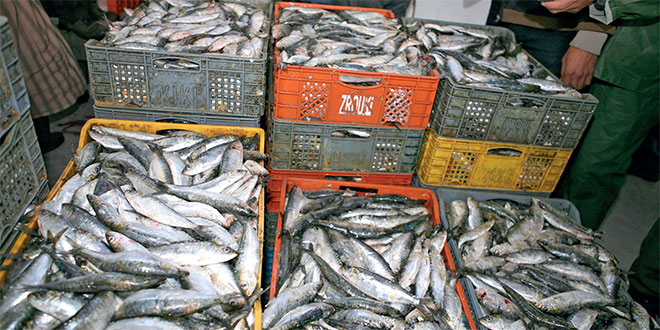
The export of frozen sardines will be banned from February 01, 2026. The decision was announced by Zakia Driouich, Secretary of State for Maritime Fisheries, who was questioned in the House of Representatives about the rise in the price of fish, without however specifying the duration of this suspension.
This measure, the government official emphasized, aims to preserve fish stocks to guarantee their sustainability and ensure the supply of the local market. When questioned about the surge in fish prices, the Secretary of State indicated that prices are subject to the law of supply and demand. These prices, she added, are currently «reasonable», given the current situation, impacted in particular by unfavorable weather conditions.
They also depend on «the cost of the cold chain and the margins of intermediaries and retailers», she explained. «The suspension of frozen sardine shipments will certainly help to maintain prices at an acceptable level», Zakia Driouich reassured .
This measure follows a significant decline in the national sardine stock. The National Institute of Fisheries Research (INRH) had already raised the alarm. Industry professionals gathered within UNICOP (National Union of Fish Canning Industries) also sounded the alarm about the stock decline and, above all, the urgent need for action.
«In 2024, landings of pelagic fish, particularly sardines, continued to decline. By the end of August 2024, landings had fallen by 11% compared to the same period in 2023. At the same time, fish canning plants recorded an 18% decrease in pelagic fish supplies compared to 2023, highlighting the ongoing difficulties in accessing the resource», according to UNICOP data. As a result, the price of sardines soared by 60%, according to the same source.
Meanwhile, fish exports continue their upward trend. Small pelagic fish (sardines, mackerel, horse mackerel, and anchovies) represent the majority of Moroccan fisheries resources, at 80%. They have been under intense pressure for years.
The situation is such that the line ministry has decided to impose a biological rest period. This decision, implemented since January 01, 2026, is essential for the recovery and sustainability of fish stocks. This fishing ban promotes natural reproduction and the rebuilding of fish populations…
Khadija SKALLI