Aging: A demographic shift with many faces
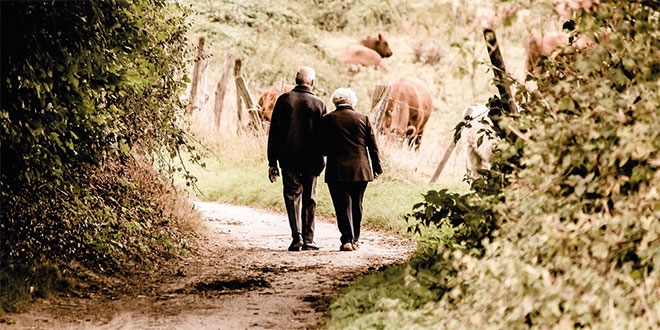
Population projections show that the number of elderly people could reach six million by 2030, more than seven and a half million by 2040, and nearly ten million by 2050, representing a quarter of the Moroccan population.
Morocco is undergoing a demographic transformation. In 2024, more than 5 million elderly people (aged 60 and over) will represent 13.8% of the population, compared to just 7.2% in 1960. This aging, a direct consequence of the completed demographic transition, can be explained by a sharp decline in fertility (1.97 children per woman in 2024, below the replacement threshold) and rising life expectancy (77.2 years). By 2050, there will be nearly 10 million elderly people, or 22.9% of the population, more than young people under the age of 15 (19%). This historic reversal is redefining the country’s social, economic, and family balance. These are the main findings of the report entitled “ The Elderly in Morocco: Analysis from the 2024 General Population and Housing Census (RGPH), December 2025,” , published by the High Commissioner’s Office for Planning (HCP) in partnership with UNFPA-Morocco.
■ Feminization of aging: Older women represent 51.2% of this population, a proportion that increases with age: among those aged 80 and over, there are 78 men for every 100 women. This “feminization of aging” is accompanied by increased vulnerability: 37.6% of elderly women are widowed, compared to 4.1% of men, and 12.5% live alone, compared to 5.2% of men. Isolation, particularly in urban areas, reflects a weakening of traditional family ties.
■ Economic insecurity and unequal pension coverage: Only 16.1% of older people participate in the labor market, often in the informal economy (45% are self-employed). The vast majority are financially dependent on their families. Only 19.2% report being retired, including 32.4% of men but only 6.7% of women, a figure that reveals their historical exclusion from the formal market.
■ Fewer than 3 working people for every retiree: By 2050, the elderly dependency ratio—the number of seniors compared to the working-age population (15-59 years)—will increase from 22.8% to 39.4%. In rural areas, it will reach 46.6%, compared to 36.9% in urban areas. This means that in 2050, fewer than three working-age adults will need to support one elderly person, compared to four in 2024. This burden will put a strain on public finances, healthcare systems, and already stretched family support networks.
■ The urgent need for pension system reform: To cope with the growing economic burden linked to demographic aging, Morocco must urgently reform its pension system by extending pension coverage, particularly to workers in the informal sector, who are the majority in rural areas, in order to reduce the financial dependence of the elderly on their families.
Fatim-Zahra TOHRY