Bank Al-Maghrib/key interest rate: The status quo confirmed
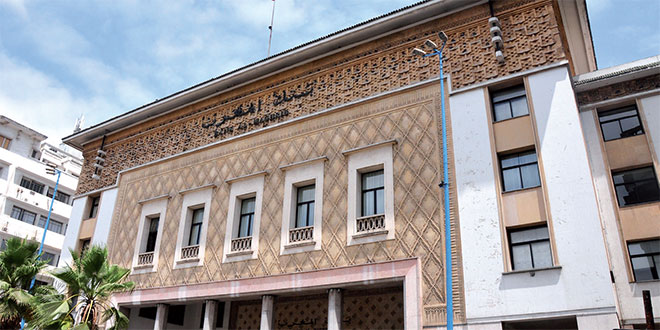
The market anticipated the decision, as we highlighted in our edition of Tuesday, March 17. The Board of Bank Al-Maghrib (BAM) , which held its meeting on Monday, March 16, 2026 , in Rabat, opted for the status quo. The key interest rate remained unchanged at 2.25%. The central bank explained that « taking into account the continued strong momentum in economic activity, the expected moderate levels of inflation, and the significant uncertainty surrounding the international outlook, as well as the results of the stress tests conducted by BAM for the national economy, the Board deemed it appropriate to maintain the key interest rate unchanged .» Following this first quarterly meeting of the Board in 2026, the Board specified that it « will continue to closely monitor the internal and external situation, and in particular developments in the Middle East, as well as their impact on economic activity and inflation, and to base its decisions, meeting by meeting, on the most up-to-date data .»
In any case, regarding the macroeconomic situation, the BAM Board is forecasting a significantly improved growth rate compared to the previous year. It is expected to reach 5.6% in 2026, up from 4.8% last year. However, it is projected to slow to 3.5% in 2027. This positive momentum is primarily due to the very favorable weather conditions this year. These conditions should translate into a substantial increase in agricultural production, said BAM. « The harvest of the three main cereals is expected to reach 82 million quintals ,» according to the Central Bank’s estimates, based on a sown area of 3.9 million hectares. This should result in a rebound in agricultural value added of 14.4% in 2026 ( compared to 5% in 2025), followed by a decline of 5.3% in 2027, assuming a return to a normal cereal harvest.
Meanwhile, non-agricultural activities are expected to register robust growth of around 4.5%, according to the report. This is explained in particular by «the momentum of investment in economic and social infrastructure « , with major projects underway , especially in preparation for the 2030 World Cup.
This decision by the BAM Council comes in a particularly unstable international context. Indeed, while major domestic trends remain relatively stable, the international situation remains marked by significant volatility. Analyses emphasize the impact of the war in the Middle East, which could reignite pressures on global energy markets , potentially fueling further inflationary pressures internationally, especially since Morocco, a net energy importer, remains highly exposed to fluctuations in international energy markets.
Mohamed Ali MRABI