Draft Finance Bill 2026: The Government wants to speed up the pace
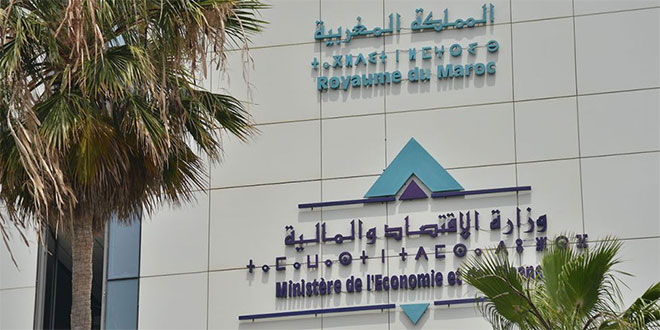
Reflexes are sharp. After signing the guidance note for the preparation of the Draft Finance Bill for 2026, the Prime Minister (Head of Government) sent it to ministers and secretaries of State so that they could study this 23-page document and prepare their proposals. Through the measures and directives outlined, maximum budgetary allocations were set for each ministerial department, particularly concerning equipment and investment expenditure.
The memo invites each department to submit its proposals to the Budget Directorate of the Ministry of Finance before August 31. Moreover, a schedule of meetings within this Directorate has been established to determine the final allocation of budgets that will be included in the Draft Finance Bill for 2026. These meetings shall begin in the first week of September.
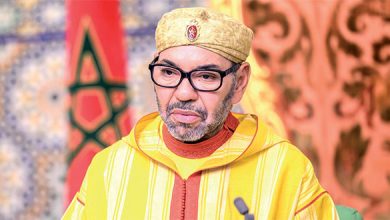
In any case, the Ministry of the Budget is in full swing. The important message of the policy brief could not be clearer: the broad outlines of the 2026 Draft Budget Bill reflect the guidelines contained in the last royal speech. These set the course for consolidating Morocco’s emergence by mobilizing all levers of growth, investment, and reform to strengthen economic resilience and national competitiveness. They also affirm the priority given by HM the King to spatial justice, through the reduction of social and spatial disparities, in a spirit of balanced and inclusive development on a national scale.
According to this document, the country is thus entering a new phase of transformation based on the promotion of employment, the strengthening of basic social services, the preservation of water resources and integrated territorial upgrading.
This affirmation of a Morocco that is consolidating its status as an emerging country is taking shape through sustained investment momentum, the strengthening of global businesses, and a rise in industrial power that are sustainably positioning our country on global value chains. Thus, Rabat is asserting its emergence through major investment programs, in particular. This is the case with the staggering amount of 160 billion dirhams (USD 16 billion) for the expansion of the Royal Air Maroc fleet and 96 billion dirhams (USD 9.6 billion) for the development of the Kenitra-Marrakech high-speed rail line. Added to this is the 25 billion dirhams (USD 2.5 billion) for the modernization of airports. And this is without mentioning the significant amounts that will be generated by major energy projects in the field of gas and green hydrogen.
Mohamed CHAOUI