Fuel: Major chaos at gas stations
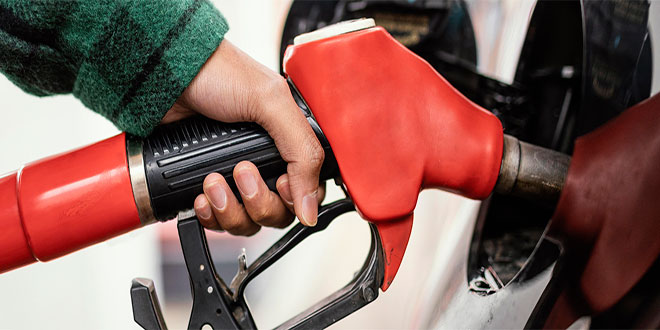
As the conflict drags on in the Middle East, Morocco is also suffering the consequences of a simmering war that is already disrupting global oil markets. Indeed, on Sunday, March 15, just after the breaking of the fast ( Iftar ), gas stations in various cities experienced an unprecedented rush of motorists, taxi drivers, transporters, coaches, trucks, motorcyclists, three-wheeled vehicles…
At the root of this rather unusual situation are rumors circulating since last Friday about a two-dirham increase per liter at the pump for petroleum products (primarily diesel and gasoline). This is the second consecutive increase in fifteen days since the start of the war in the Middle East. While the first increase of 25 centimes (USD 0.02) per liter (0.26 gallon) of diesel was relatively manageable, the second, which took effect at midnight on Sunday, March 15, 2026 (a single two-dirham (USD 0.22 ) increase), is one of the most significant price hikes since the start of the COVID-19 pandemic.
“ Today, what is happening in the Middle East certainly has direct and indirect repercussions for all countries. But the real problem is that the decision to raise fuel prices was made by the National Federation of Service Station Owners and Managers. “This is therefore a blatant violation of Law 104-12 on price freedom and competition” , protested Bouazza El Kherrati, president of the Moroccan Federation for Consumer Rights. This constitutes “ organized leaks of sensitive information ” on highly sensitive products. Of course, continues the consumer movement representative, “ prices are free, but only if they are displayed .” However, if they are not, there is not only “ a blatant price-fixing agreement ,” but also “ insider trading ,” which risks opening “ a Pandora ’s box for all consumer goods, particularly fruits and vegetables, meats… ” warns El Kherrati .
As proof, the president of the Consumer Rights Federation explained, “ Some gas stations refused to sell diesel. Others increased prices by 2 dirhams (USD 0.21) per liter (0.26 gallons) at 10 p.m., even before the official midnight closing time .” In this same context, some station managers and workers decided to shut off the fuel dispensers. Others implemented rationing by limiting the number of liters per vehicle, which fueled panic and fears of fuel shortages. This chaotic situation prompted many motorists, mainly taxi drivers and transporters ( pick -up trucks, lorries, etc.), to fill up their tanks at the same time, especially at gas stations where the price from the previous 15 days (10.78 MAD (USD 1.15 ) per liter of diesel) was still displayed. o
Amin RBOUB