
How Financial Fraud Is Becoming Industrialized
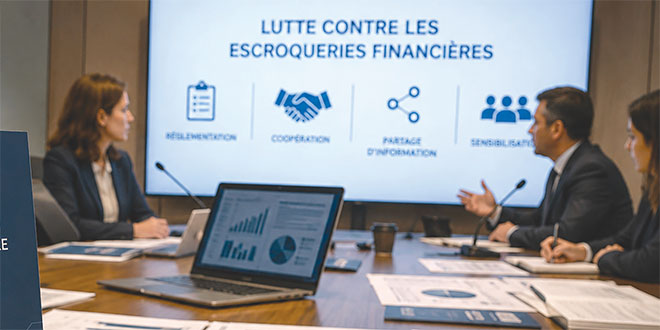
Your phone rings. On the line, someone claiming to be a bank adviser tells you that a suspicious transaction has just been detected on your account. To stop it, they simply ask you to confirm the verification code you have just received by text message. A few seconds later, your bank account has been emptied. This scenario, now common in many countries, perfectly illustrates the new generation of financial scams. Fraudsters no longer seek to bypass banks’ security systems. Instead, they persuade victims to open the door themselves. Phishing—based on psychological manipulation and identity theft—has therefore become one of the most significant threats facing digital financial services. This transformation was the focus of a workshop organized on Friday in Rabat by Bank Al-Maghrib (BAM) and the National Financial Intelligence Authority (ANRF).
More than just an awareness-raising event, the initiative reflects a broader realization: combating financial fraud has become a matter of preserving confidence in the digital economy, safeguarding financial stability and preventing illicit financial flows.
The image of a hacker attempting to break into a bank’s servers is gradually becoming outdated. Today, the preferred target is the customer. «Fraudsters generally no longer try to circumvent banks’ security systems,» said Nabil Badr, Director of Banking Supervision at Bank Al-Maghrib. Instead, their strategy is to exploit human behavior through social engineering techniques designed to persuade users to disclose their login credentials, passwords or authentication codes. The examples are multiplying. Fraudsters use: Fake SMS messages warning that a bank account has been blocked; Emails perfectly replicating a bank’s visual identity; Telephone calls from bogus customer advisers; Social media advertisements promising extraordinary investment returns; Fake payment links; Impersonation of public authorities. All pursue the same objective: creating a sense of urgency that prevents victims from taking the time to verify the information they receive. This evolution explains why even the most sophisticated cybersecurity systems are no longer sufficient. Once customers voluntarily disclose their confidential information, fraudsters can bypass technical security barriers without ever needing to attack them.o
Fédoua TOUNASSI