Maritime fleet: The momentum is accelerating
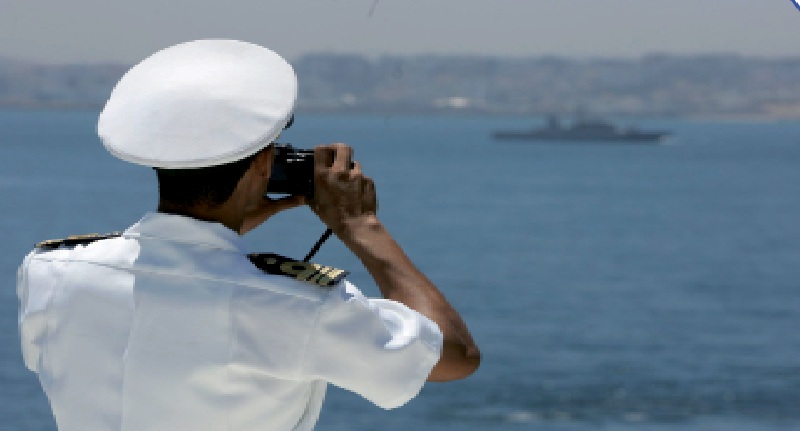
The ISEM maritime institute in Casablanca only trains 40 graduates per year. At least 900 graduates will be needed to meet the requirements of the maritime fleet that will be created, argues Minister Abdessamad Kayouh
Abdessamad Kayouh announced last Tuesday before the House of Councillors that the study concerning the creation of a strong and competitive Moroccan maritime fleet, as recommended by His Majesty the King, was completed two months ago.
This is good news. It must be acknowledged that this project has fallen significantly behind schedule, given that His Majesty the King issued a call on November 06, 2023, for the development of a Moroccan flag state that guarantees national sovereignty in maritime transport.
The former Minister of Transport and Logistics, Mohamed Benabdejlil, had launched an international study. And then, nothing more happened. The project was taken up by his successor, who has just established three commissions to study the mechanisms for implementing the recommendations of this study, in consultation with industry professionals.
In any case, the goal is to support the country’s economic development, consolidate national maritime sovereignty, and promote regional integration. This study, which is awaiting final validation, has already delivered preliminary results that have identified certain priority actions, including the establishment of an appropriate insurance framework, the modernization of maritime governance through a strategic repositioning of the maritime authority, and the adaptation of the national regulatory framework to international standards.
While awaiting official approval, work has begun with the management of the merchant marine, shipowners, and other stakeholders. The first theme focuses on training. According to the Minister, the study aims to achieve the goal outlined in the royal address. After completing several stages, a shortage of human resources became apparent, given that the Higher Institute of Maritime Studies (ISEM) in Casablanca only trains about forty graduates per year. This number is clearly insufficient to meet the needs of a national fleet. «Today, if we want to meet the demand from the National Ports Agency, from Tanger Med harbor, and others, we will need to train at least 900 graduates per year», the Minister of Transport stated before the House of Councillors. Therefore, the training component will be crucial, especially since the port of Nador West is set to open soon, followed by the Dakhla Atlantic port. Consequently, the need for seafarers to work on board ships is significant.
In this regard, the minister announced that his department is finalizing a study for the construction of a training school in the Mediterranean, in collaboration with the Ministry of Equipment and Water. The aim is to provide a sufficient number of seafarers to work on board this fleet, in addition to regular consultations with operators.
Mohamed CHAOUI